
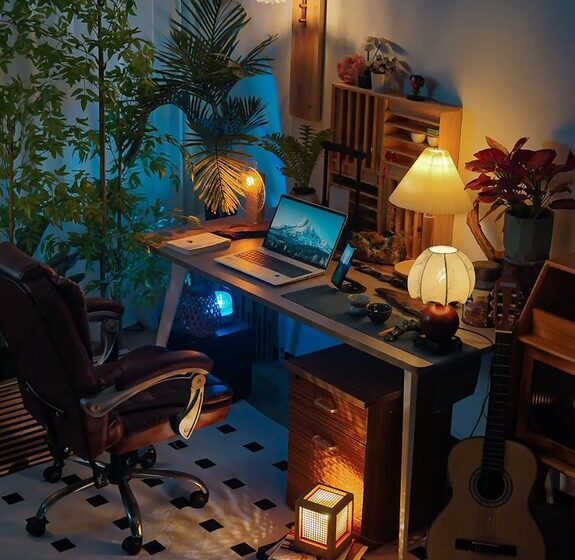

Creating a cozy and functional home office space is essential for anyone working from home or pursuing personal projects. The right setup can improve your productivity, reduce stress, and make working from home more enjoyable. Whether you have a dedicated room or just a small corner, these tips will help you design a workspace that suits your needs and style.
1. Choose the Right Location
Consider Natural Light
Natural light can boost your mood and energy levels. Position your desk near a window if possible, but be mindful of glare on your computer screen. If natural light is limited, invest in good quality artificial lighting that mimics daylight.
Minimise Distractions
Find a quiet spot where you can focus without constant interruptions. This might mean using a spare room, a nook in your living room, or even a section of your bedroom.
2. Invest in Comfortable Furniture
Ergonomic Chair and Desk
A comfortable chair with good lumbar support is important to prevent back pain. Adjustable desks can also be useful if you prefer to alternate between sitting and standing during your workday.
Size and Storage
Choose a desk that fits your space and provides enough surface area to work comfortably. Look for furniture with built-in storage or add shelves and drawers to keep your essentials organised.
3. Personalise Your Space
Add Personal Touches
Include elements that make you feel at ease, like family photos, plants, or art. These can create a welcoming atmosphere and inspire creativity.
Colours and Textures
Soft, warm tones and natural materials (like wood or fabric) tend to make a space feel more inviting. Avoid overly bright or harsh colours that may cause eye strain or stress.
4. Keep It Organised
Declutter Regularly
Maintain a tidy workspace by regularly clearing unnecessary items. A clutter-free environment reduces distractions and helps maintain focus.
Use Organisers
Desk organisers, cable management tools, and filing systems can keep your supplies and paperwork in order. Label storage containers to save time looking for things.
5. Incorporate Technology Wisely
Efficient Equipment
Ensure your computer, printer, and other devices are reliable and suited to your work needs. Invest in noise-cancelling headphones if you work in a noisy environment.
Cable Management
Tidy up cables using clips, sleeves, or boxes to prevent tangling and maintain a neat appearance.
6. Bring in Some Greenery
Plants not only beautify your workspace but can also improve air quality and reduce stress. Choose low-maintenance varieties like succulents or snake plants that thrive indoors with minimal care.
7. Establish Boundaries
Separate Work and Relaxation
If your home office is part of another room, use room dividers or rugs to create a distinct work zone. This visual separation can help maintain focus during work hours and relax after.
Define Work Hours
Create a routine with clear start and end times to avoid overworking and burnout.
8. Ensure Proper Lighting
In addition to natural light, use a combination of ambient and task lighting. A desk lamp with adjustable brightness is ideal for detailed work, while soft ambient lights can create a calm environment.
9. Add Comfort Elements
Soft Textiles
Incorporate cushions, rugs, or throws to add warmth and comfort underfoot. These small touches make your workspace feel inviting and reduce fatigue.
Temperature Control
Make sure the room temperature is comfortable. Use fans or heaters as needed and consider air quality with good ventilation.
Conclusion
Designing a cozy and functional home office is about balancing comfort with productivity. By carefully selecting your location, furniture, and decor, and keeping your space organised and welcoming, you create an environment that supports your work and wellbeing. Whether you spend a few hours or a full day in your office, these tips will help you make the most out of your home workspace.